10 Best Things to Do in Singapore with Kids
Published 13 Sept 2026Updated 13 Sept 2026Little Buddy Team
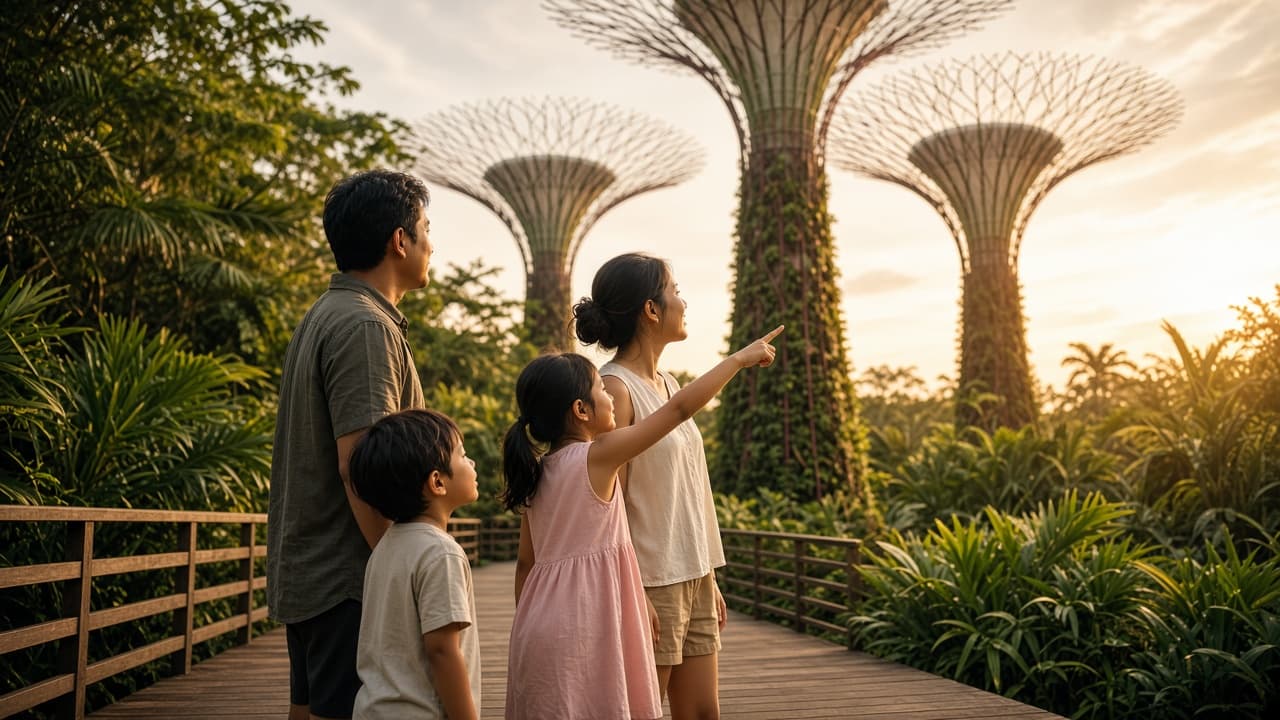
Singapore makes a reassuring first city break with children: public transport is clear, tap water is safe to drink, English is widely spoken, and a rainy-day alternative is rarely far away. The challenge is choice. Theme parks, wildlife, gardens, museums and playgrounds can fill far more than one holiday, so a successful itinerary needs editing rather than squeezing.
These ten activities give visiting families a balanced starting point. They include Singapore-only experiences, reliable indoor options and free places where children can simply run or splash. Attraction details change, so follow the linked Little Buddy listings to check current hours, age rules, closures and official booking pages before you leave your hotel.
1. Meet the animals at Singapore Zoo and KidzWorld
The open, leafy setting makes Singapore Zoo feel less like a sequence of enclosures and more like a walk through a rainforest. Orangutans, elephants and giraffes are the headline draw, but families with younger children should leave time for KidzWorld, where animal encounters sit beside sensory and water play. Pack swimwear and a change of clothes if splashing is likely.
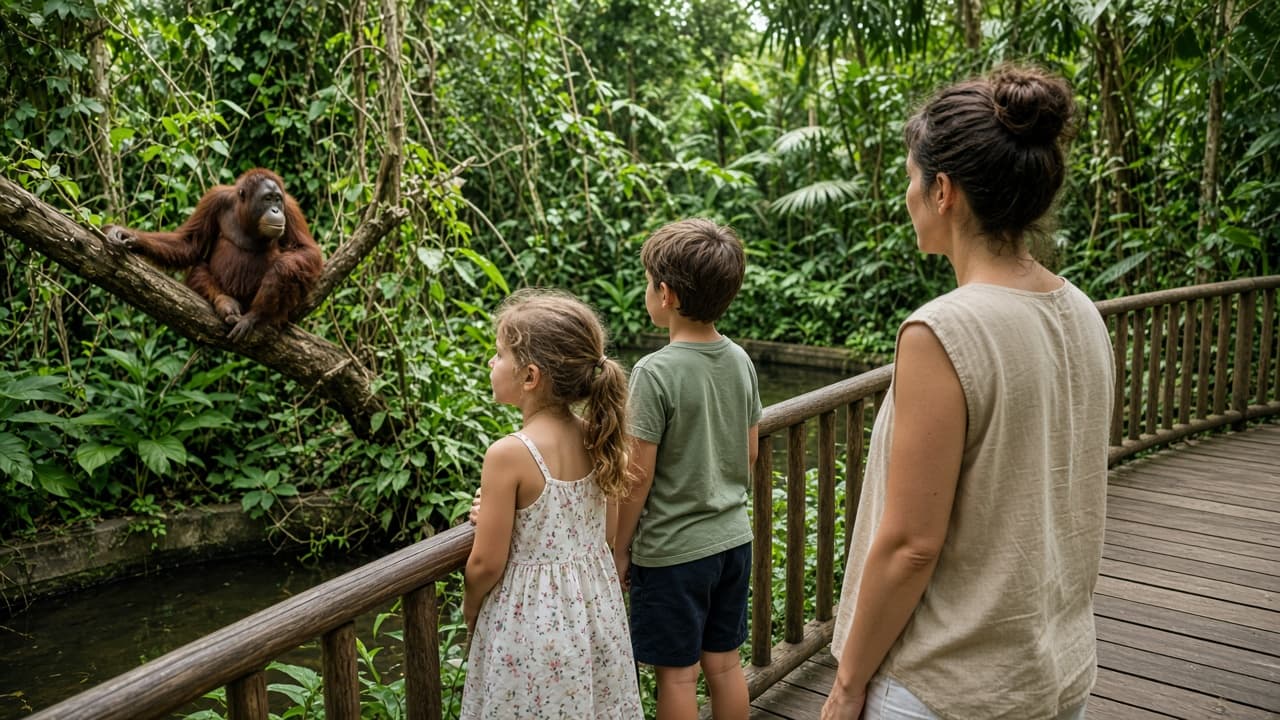
Mandai is away from the city centre, so treat the zoo as the main event rather than pairing it with a distant afternoon attraction. Arrive early for cooler paths, check presentation times on the official site, and use the tram when small legs fade. River Wonders and Night Safari are next door, but combining several wildlife parks in one day can be too much for preschoolers.
2. Explore Gardens by the Bay — then get wet
The cool glasshouses at the Gardens by the Bay Conservatories deliver the giant trees and futuristic landscapes many visitors associate with Singapore. Cloud Forest tends to capture children’s attention with its indoor waterfall and elevated walkways, while Flower Dome offers a gentler, stroller-friendly pace. Timed tickets can sell out during school holidays, so reserve ahead if the conservatories are essential.
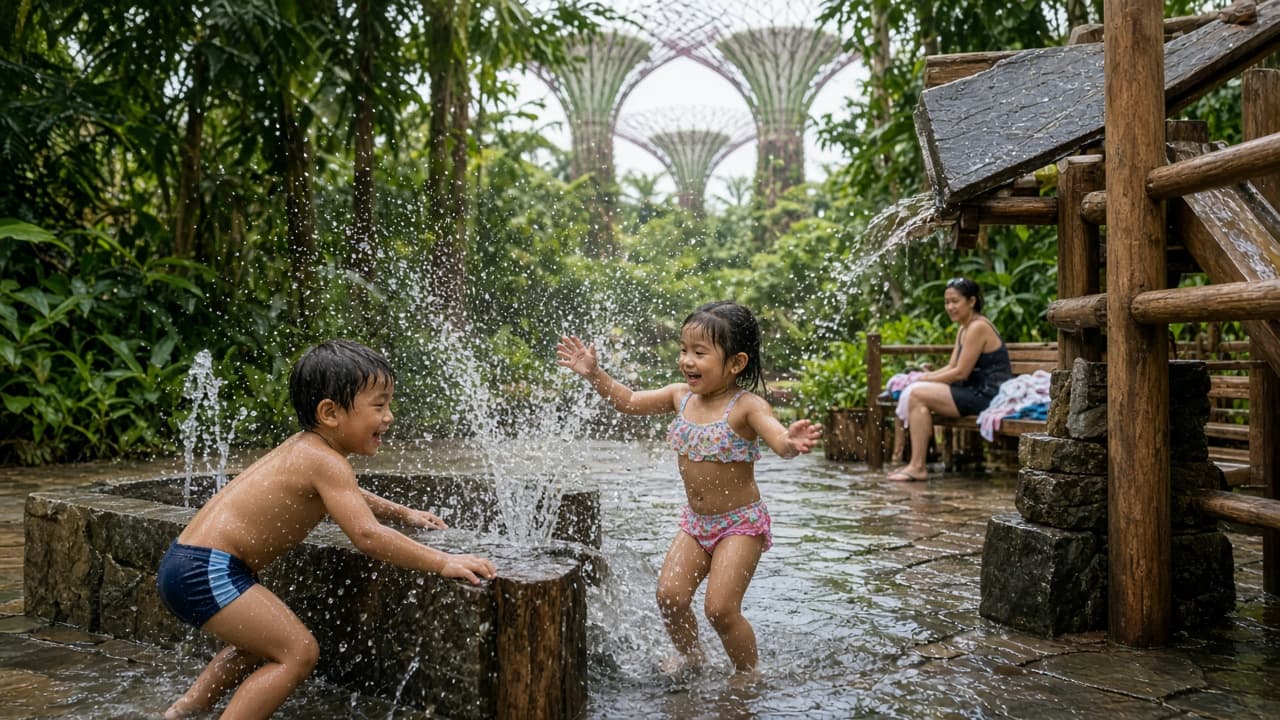
Afterwards, the free Far East Organization Children’s Garden adds climbing and water play for children aged 12 and below. It closes on selected weekdays and has its own last-entry time, so check the current schedule instead of assuming it follows the conservatories. Bring sandals, a towel and dry clothes, then stay for the evening Supertree light show if everyone still has energy.
3. Choose your rides at Universal Studios Singapore
Universal Studios Singapore is the big theme-park day: character encounters and gentler family rides for younger children, plus faster attractions for older kids and adults. Check every child’s height against the current ride restrictions before promising a favourite. That short task prevents disappointment at the gate and helps you decide whether a full-day ticket offers good value for your family.
Weekends and regional school holidays bring longer queues. Arrive before opening, choose two or three priorities, and take an indoor show or early lunch when the heat peaks. Re-entry and express-pass conditions can change, so confirm them before planning a hotel nap. Trying to add another paid Sentosa attraction on the same day usually makes an expensive day feel rushed.
4. Slow down inside Singapore Oceanarium
For an air-conditioned Sentosa day, Singapore Oceanarium offers large marine habitats and immersive ocean displays at a pace families can adjust. It is especially useful with toddlers, grandparents or mixed ages because there is less pressure to meet ride heights. The former S.E.A. Aquarium expanded and reopened under the Singapore Oceanarium name, so use current maps rather than older travel guides.
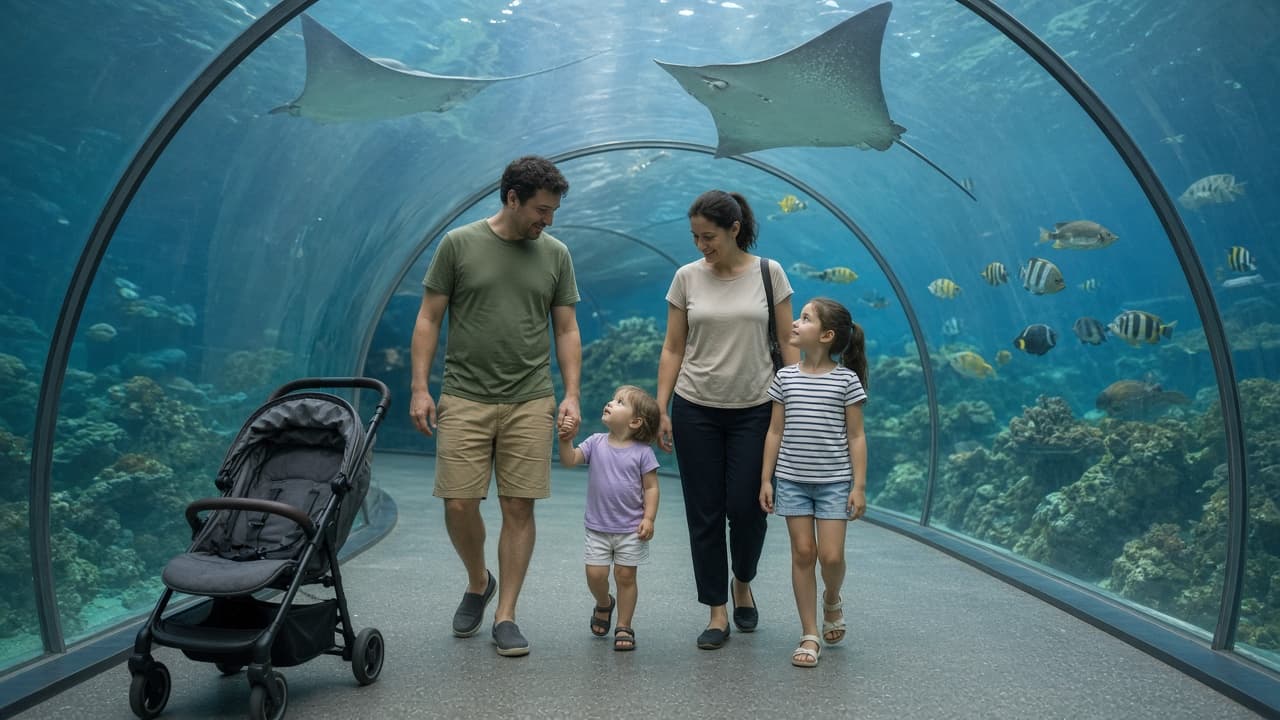
Allow time to pause at the habitats instead of marching from room to room. Pair the visit with an unhurried meal or the Sentosa beach, not an automatic second ticket. Resorts World Sentosa sells changing multi-attraction bundles, but a discount only helps when your children have the stamina to use every admission within its validity period.
5. Save ArtScience Museum for a hot or wet afternoon
The lotus-shaped ArtScience Museum beside Marina Bay is a dependable indoor reset. Its digital and interactive exhibitions can suit children who would struggle with a traditional gallery, while changing touring shows give older kids and adults more to explore. Entry is exhibition-specific, so look at the current programme and age guidance before buying a bundle.
This stop combines easily with the Marina Bay promenade, Merlion and Gardens by the Bay, but distances around the bay are longer than they appear in photographs. Use the MRT or a short taxi hop when rain is heavy. A lightweight cardigan can help children who find Singapore’s strong indoor air-conditioning uncomfortable after the heat outside.
6. Experiment at Science Centre Singapore and KidsSTOP
Families with curious school-age children can spend hours at Science Centre Singapore, where hands-on exhibits reward touching and trying. For children aged eight and below, KidsSTOP is a separate, play-led science space with timed sessions. It is not simply a small corner of the main museum, so check which ticket and time slot suit your children.
The centre is in western Singapore and usually deserves at least half a day. Pre-book KidsSTOP, note its session break, and pack socks for play areas that require them. This is a strong choice for a forecast of thunderstorms, although local families have the same idea on weekends and school holidays.
7. Play in nature at Jacob Ballas Children’s Garden
Inside the UNESCO-listed Botanic Gardens, Jacob Ballas Children’s Garden gives children a destination of their own: woodland trails, interactive gardens, climbing features and water play. Admission is free, and the mix of movement and nature makes a welcome contrast to ticketed attractions. Only adults accompanying children may normally enter.
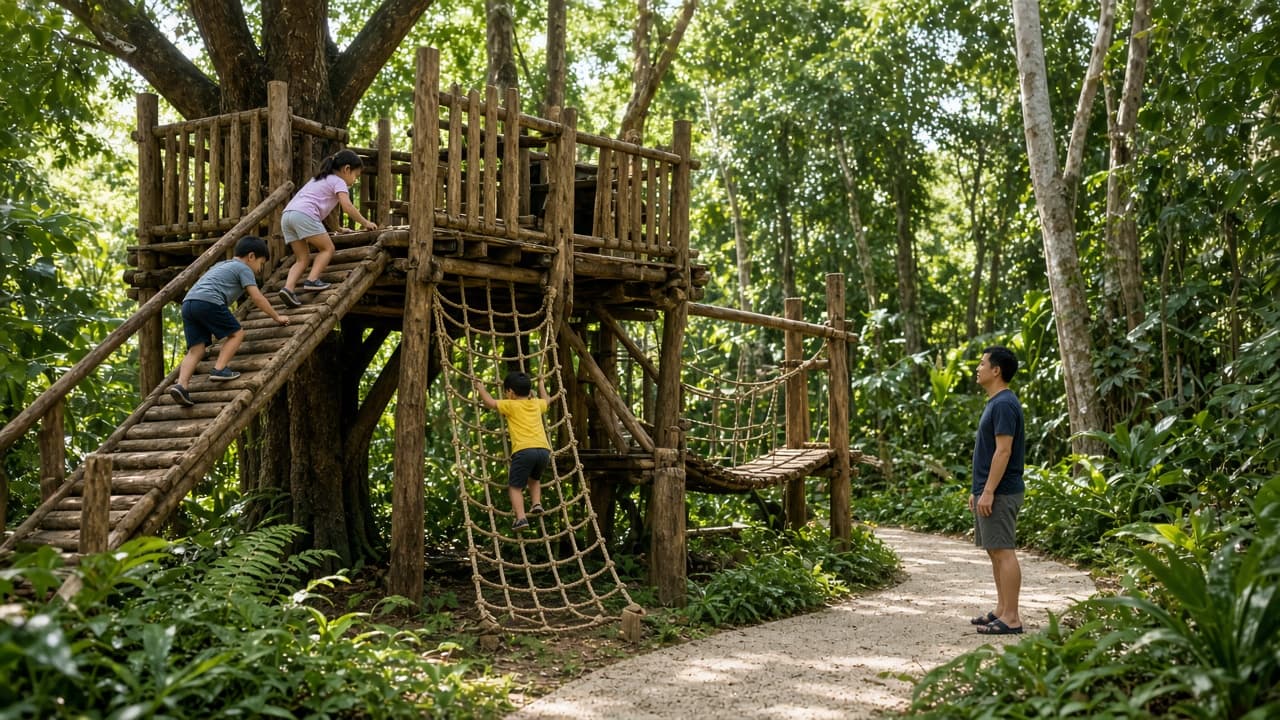
The children’s garden has a separate entrance from the Botanic Gardens’ most photographed areas, so check the map before setting off. It is closed on Mondays except designated public holidays, and the water-play area can close temporarily. Go in the morning, use insect repellent, and carry water, sun hats and a full change of clothes.
8. Cycle, picnic and splash at East Coast Park
East Coast Park shows families a more everyday side of Singapore. Rent bikes, walk beside the sea, eat at a hawker centre or spread out for a picnic. The free Coastal PlayGrove adds climbing towers and a water-play area, making the park an easy low-cost break between museum and theme-park days.
The park is long, so choose a specific destination before booking a taxi or starting a cycle. Midday heat can be intense and shelter is uneven; mornings and late afternoons are more comfortable. The sea is not the main swimming attraction here. Keep children within the designated play areas and check weather conditions before water play.
9. Cool off at Adventure Cove Waterpark
Adventure Cove Waterpark combines slides, pools and a lazy river on Sentosa. It works best for families who actively want a water-park day rather than a brief add-on. Check minimum heights, swimwear rules and which attractions require stronger swimming ability. Young children may spend most of their time in gentler zones, which should shape whether the ticket feels worthwhile.
Apply water-resistant sunscreen before arrival, bring secure footwear and use a rash vest for longer sun protection. Lockers, meals and selected extras add to the day’s cost. Tropical lightning can pause outdoor attractions even when a shower seems brief, so avoid a tightly scheduled evening immediately afterwards and read the current weather policy.
10. Turn Jewel Changi Airport into part of the holiday
Jewel is landside, connected to Changi’s passenger terminals, and worth treating as more than somewhere to wait for a flight. Families can see the Rain Vortex, eat, walk the indoor gardens and book Canopy Park for slides, misty play and sculpted trails. Some paid attractions have minimum heights, while the free West Gateway Playground suits a shorter stop.
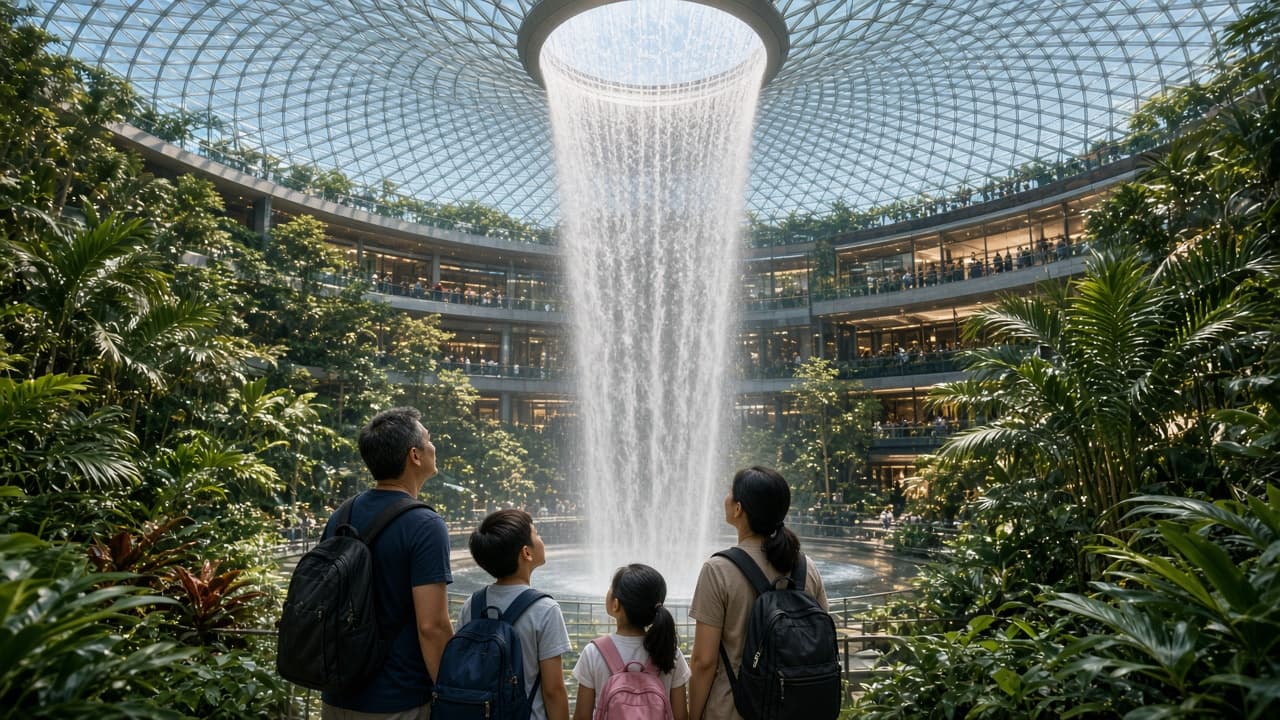
Visit after arriving only if everyone is rested, or allow a generous buffer before departure. Jewel is outside immigration, so travellers in transit must clear entry formalities and be eligible to enter Singapore. Store luggage first and calculate the walk back to the correct terminal; children rarely leave a playground as quickly as an airport schedule expects.
How to build a child-friendly Singapore itinerary
- Plan one headline attraction per day. Add a nearby playground, swim or hawker meal as an option, not a second obligation.
- Alternate outdoor and indoor days. Singapore is hot and humid year-round, and thunderstorms can arrive quickly even when the morning is bright.
- Use MRT trains for central sights, but compare a taxi or ride-hail for Mandai, East Coast Park and journeys with tired children. Child-restraint rules and availability differ by vehicle service, so check before travelling.
- Carry refillable water bottles, hats, sunscreen, insect repellent, a compact umbrella and a light layer for air-conditioned venues.
- Check local and regional school-holiday dates. Popular timed sessions, animal presentations and theme-park days fill faster during these periods.
- Keep the final morning flexible. A favourite pool, playground or second visit often creates a better memory than one more major attraction.
For more options by age, location, price and indoor or outdoor setting, browse Little Buddy’s full directory of kids’ activities in Singapore. A shorter list is a starting point; the best family day is the one that still leaves room for food, rest and a child changing their mind.